Brake squeal has a way of showing up at the worst time, like pulling into work, creeping through a drive-thru, or rolling up to a stop sign with the windows down. The car can still stop fine, so it’s easy to wonder if it’s just dust or morning moisture. Sometimes it is.
Other times, squealing is your brakes asking for attention before they get louder, rougher, and more expensive. The trick is knowing which kind you’re hearing and what usually causes it.
A little pattern-tracking can save you a lot of guessing.
Why Brakes Squeal In The First Place
Most squealing comes from vibration. When brake pads press against the rotor, tiny vibrations can turn into an audible squeak, especially if the pad material is hard, glazed, or contaminated. Some pads are simply noisier by design, and weather can amplify it.
Moisture is a common culprit too. A thin film of rust can form on rotors overnight, and the first few stops can squeal until the pad scrubs it off. That kind of noise usually fades quickly once you’ve driven a bit.
If the noise sticks around past your first few stops, it’s worth treating it as information, not just irritation.
Different Squeal Patterns And What They Often Mean
When the squeal happens is often more important than how loud it is. Make a mental note of temperature, speed, and whether you are braking lightly or firmly. Those details tend to point toward the most likely cause.
Here are a few common patterns that help narrow it down:
- Squeal only on the first stop of the day, then it disappears after a few stops.
- Squeal during light braking, but it quiets down when you press the pedal harder.
- Constant squeal every time you touch the brakes, no matter the speed.
- Squeal paired with a gritty feel in the pedal or a vibration in the steering wheel.
- Squeal mainly while reversing, especially after rain or a car wash.
If you can describe the pattern clearly, an inspection usually goes faster and stays more targeted.
Normal Noises Vs. Warning Noises
A short squeak after the car has sat overnight can be normal, especially in damp conditions. Light surface rust is common, and it often sounds worse than it really is. If the noise is brief and the brakes feel normal, that typically falls in the “monitor it” category.
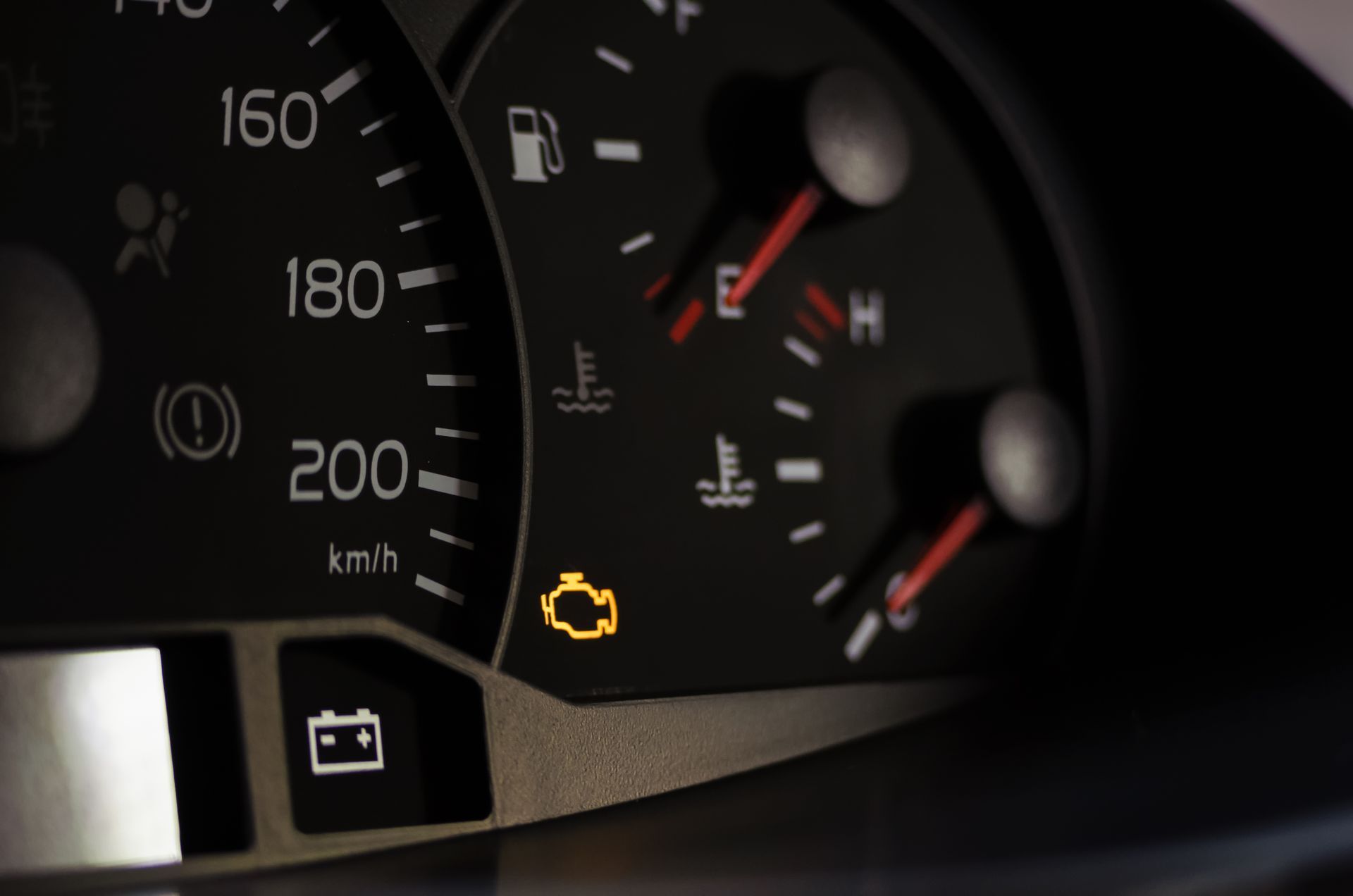
A warning noise repeats and grows. If it squeals on every drive, gets louder over a week, or develops a grinding sound, that is usually wear or damage progressing. Any squeal that comes with pulling, a soft pedal, or a brake warning light deserves attention sooner rather than later.
If your braking feel changes along with the sound, assume it’s time to stop guessing.
Common Causes Behind Brake Squeal
Worn brake pads are a big one. Many pads have a small wear indicator that starts squealing when the pad gets thin, basically a built-in reminder. At that point, you might still stop fine, but you are close to the point where the pad material runs out.
Glazing is another common cause. If pads and rotors get hot repeatedly, like in heavy traffic or downhill driving, the pad surface can harden and get slick. That can create a squeal and a slightly less consistent feel. Contamination matters too, because brake dust buildup, road grime, or a small fluid leak can create noise and uneven braking.
We also see squeals caused by hardware. Missing shims, dry slide pins, or worn anti-rattle clips can let pads vibrate more than they should, even when there is plenty of pad material left.
Owner Mistakes That Make Squealing Worse
One common mistake is waiting until it turns into grinding. Once you hear grinding, you’re often past pad-only service, and rotors may be damaged. That is where costs jump, and it can turn a straightforward job into a bigger one.
Another mistake is spraying random products on the brakes to quiet the noise. Some sprays mask the sound briefly, but they do not fix worn pads, poor hardware fit, or a sticking caliper. If the noise is caused by heat, wear, or contamination, it usually returns
The cost-smart move is addressing the cause before the rotors become the next casualty.
What to Do When You Hear Squealing
Start with the easiest observations. Does it happen only when the brakes are cold, only in wet weather, or every time you stop? If it disappears after a few stops, you may be dealing with moisture and light surface rust, and you can keep an eye on it.
If it happens daily, plan a brake check. Pay attention to how the pedal feels, whether the car pulls, and whether the steering wheel shakes while braking. If the noise suddenly gets loud or if you feel grinding, stop driving it if you can and have it looked at.
If you catch it at the squeal stage, you usually have more options and less damage to manage.
Get Brake Noise Repair in Missoula, MT with Auto Medics of Missoula
We can inspect your pads, rotors, and brake hardware, then explain what’s causing the squeal and what it will take to fix it. We’ll also let you know what needs to be handled now versus what may be reasonable to plan soon.
We’re here to help you get quiet, confident braking again.