Most engine wear does not come from one big mistake. It comes from a bunch of small habits that seem harmless, until the car starts burning oil, leaking, running hot, or making noises you cannot un-hear. The good news is these mistakes are avoidable, and fixing your routine usually costs far less than repairing the damage later.
If you want the engine to last, think of oil service as part of a broader regular maintenance plan. Oil is the core, but the supporting details are what keep the whole system from quietly aging faster than it should.
1. Stretching Oil Changes Because The Car Feels Fine
Engines can feel normal long after oil protection has started dropping off. The oil may still look okay on the dipstick, but additives get used up and contamination builds. Short trips, heavy traffic, and long idling are especially hard on oil, even when mileage stays low. If your driving is mostly short trips, longer intervals tend to backfire sooner.
2. Not Checking Oil Level Between Changes
This is a big one, especially on higher-mileage vehicles. Some engines consume oil gradually and never leave a puddle, so the level can drop without you noticing. Running a quart low on a regular basis adds wear, plain and simple. Checking the dipstick takes a minute, and it prevents the kind of low-oil surprise that can end a road trip fast.
3. Using The Wrong Oil Viscosity Or Spec
Oil is not one-size-fits-all anymore. Modern engines often require specific viscosity and manufacturer specs for timing systems and turbo heat. Using the wrong oil can cause poor protection, more consumption, or noisy operation. If your car calls for a specific spec, follow it, because the engine was designed around that exact oil behavior.
4. Overfilling The Oil
More oil is not better. Overfilling can aerate the oil, increase crankcase pressure, and push oil into places it should not go. That can lead to leaks, smoking, and a rough-running feel on some engines. If the oil level ends up above the full mark, it is worth correcting instead of hoping it will be fine.
5. Waiting Too Long To Fix Small Oil Leaks
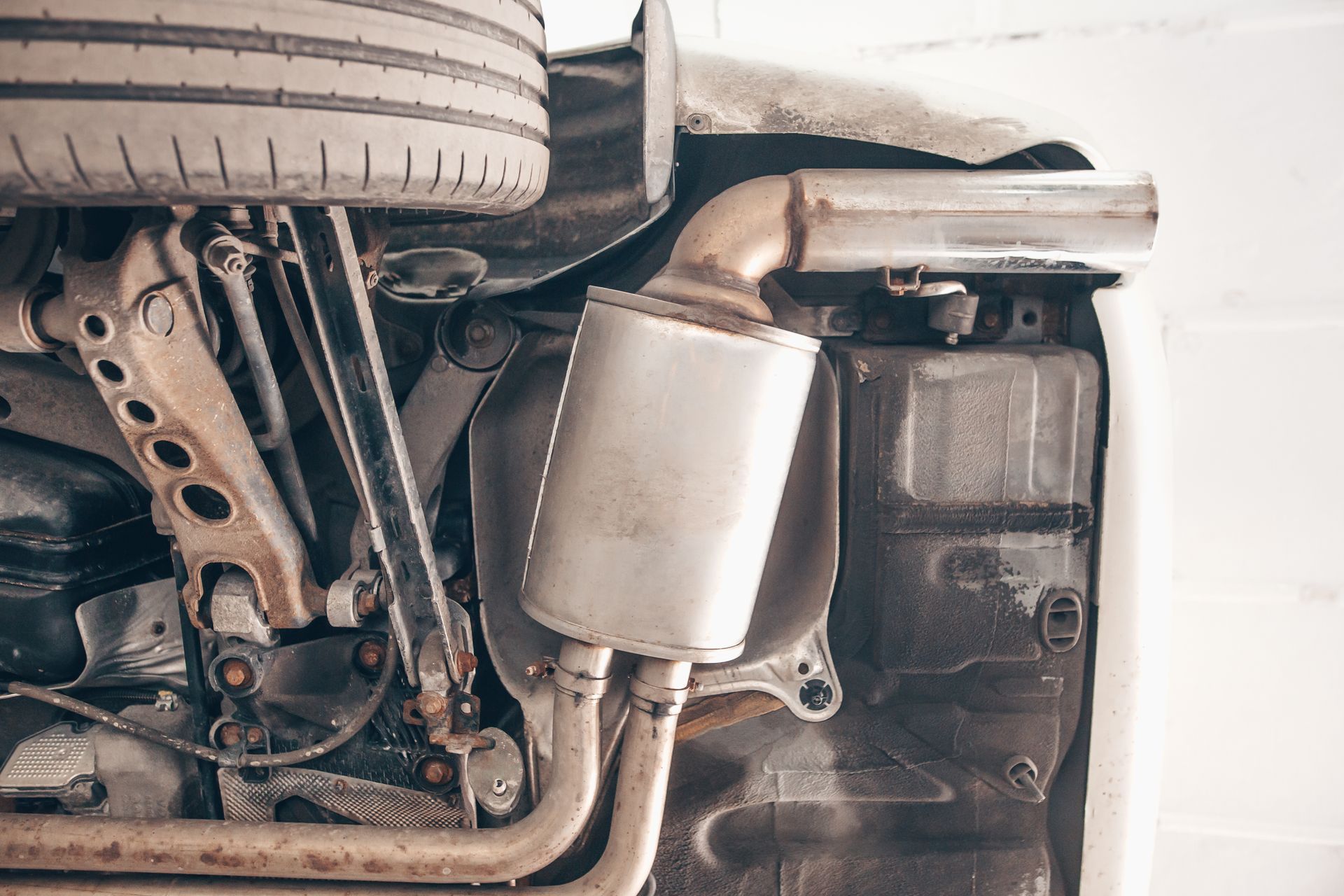
A slow seep is easy to ignore until the smell starts or the underside is coated. The problem is that leaks tend to grow, and oil can damage rubber components and belts. Leaks also make it harder to see new problems because everything stays dirty. Fixing seepage early keeps the engine cleaner and helps you avoid chasing multiple issues later.
6. Skipping The Oil Filter Or Using A Low-Quality One
The filter is doing real work, catching debris and keeping oil flow clean. Skipping a filter change or using a low-quality filter can lead to restricted flow or poor filtration. That is especially risky on engines with variable valve timing, where oil flow quality matters. A quality filter is cheap insurance compared to internal engine wear.
7. Ignoring The Air Filter And PCV System
An engine that cannot breathe cleanly works harder and can run less efficiently. A clogged air filter can reduce airflow, and a neglected PCV system can increase crankcase pressure, which pushes oil past seals. This is one of those overlooked areas that shows up later as oil consumption or new leaks.
Here are two simple items that get missed constantly:
- Dirty engine air filter that has not been checked in years
- PCV valve or hoses that are restricted and raising crankcase pressure
Both are simple checks, and both can prevent bigger issues.
8. Treating The Oil Light Like An Oil Change Reminder
The oil light is usually about oil pressure, not oil life. If it comes on, especially flickering, it can mean pressure is dropping. That can be a low oil level, thin oil, a sensor issue, or something deeper. Either way, it deserves attention now, not next week.
9. Driving Hard Right After Startup
Cold oil is thicker and does not protect the same way it does once warmed. Hammering the throttle right after starting puts extra stress on bearings and timing components. You do not need to baby it, but giving it a minute to settle before heavy acceleration is a habit that pays off over the long term.
10. Skipping The Bigger Maintenance Checks Around Oil Service
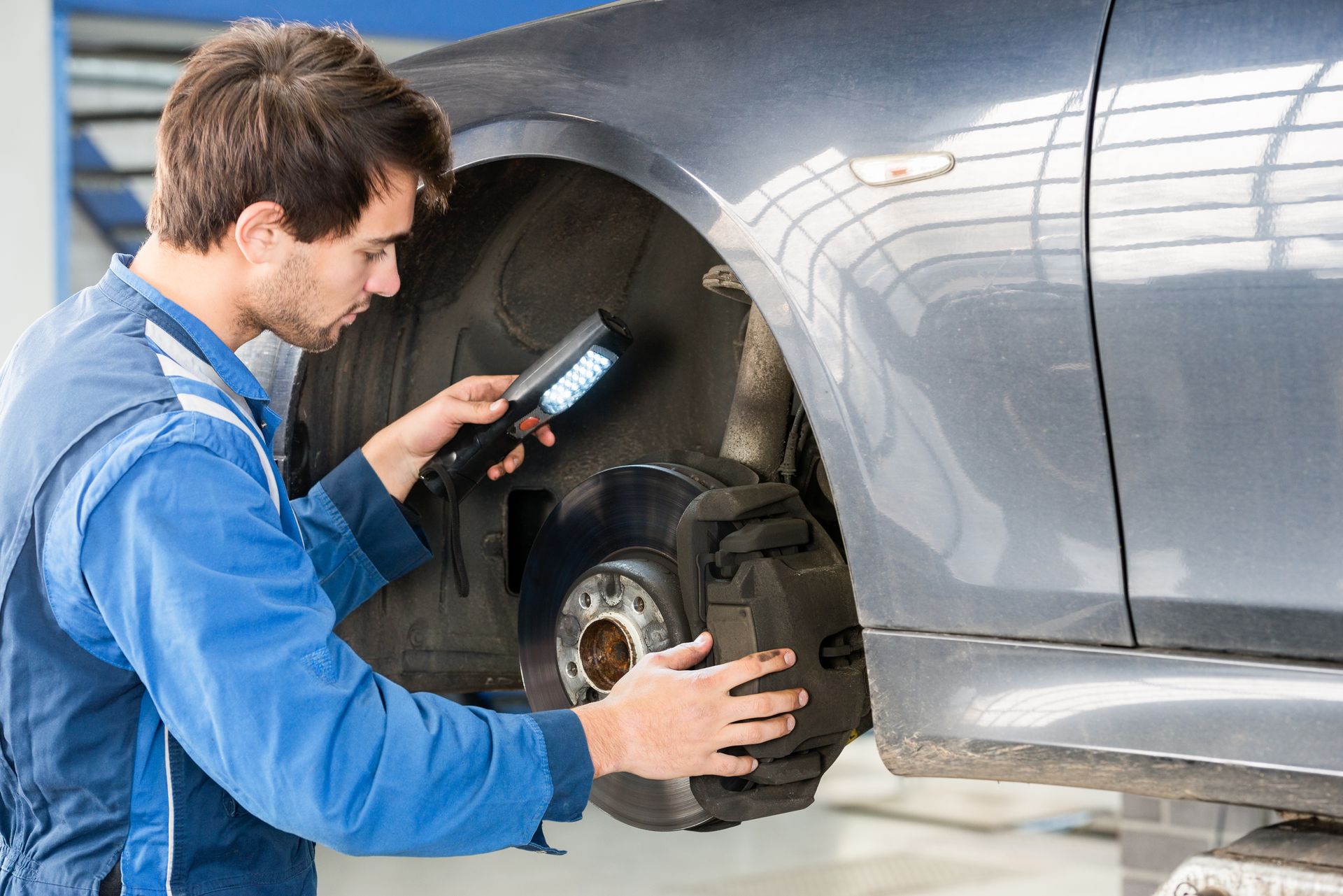
Oil changes are a great time to catch other problems early, but many drivers treat them like a quick in-and-out and nothing more. A proper inspection during regular maintenance can catch coolant seepage, worn belts, weak batteries, and tire wear patterns before they become roadside problems.
A few quick checks that save money later:
- Look for fresh leaks and residue trails under the engine
- Check the coolant level and hose condition while the hood is up
- Inspect the belt for cracking or glazing before it starts slipping
- Scan tire wear for alignment issues that are chewing tread
These take minutes, and they prevent the snowball effect where one small neglected item creates three bigger repairs later.
Get Engine Maintenance In Missoula, MT With Auto Medics of Missoula
If you want your engine to last and you’re not sure whether your oil service routine is helping or hurting, the next step is to book service so it’s handled correctly and the common trouble spots are checked at the same time.
Schedule service with Auto Medics of Missoula in Missoula, MT, to stay ahead of leaks, low oil issues, and wear that builds quietly when maintenance gets stretched too far.